The Interplay Between Secure Payment Gateways and Game Provider Partnerships in Finland's Expanding Mobile Gambling Ecosystem
Henrik Weber · Aug 21, 2026
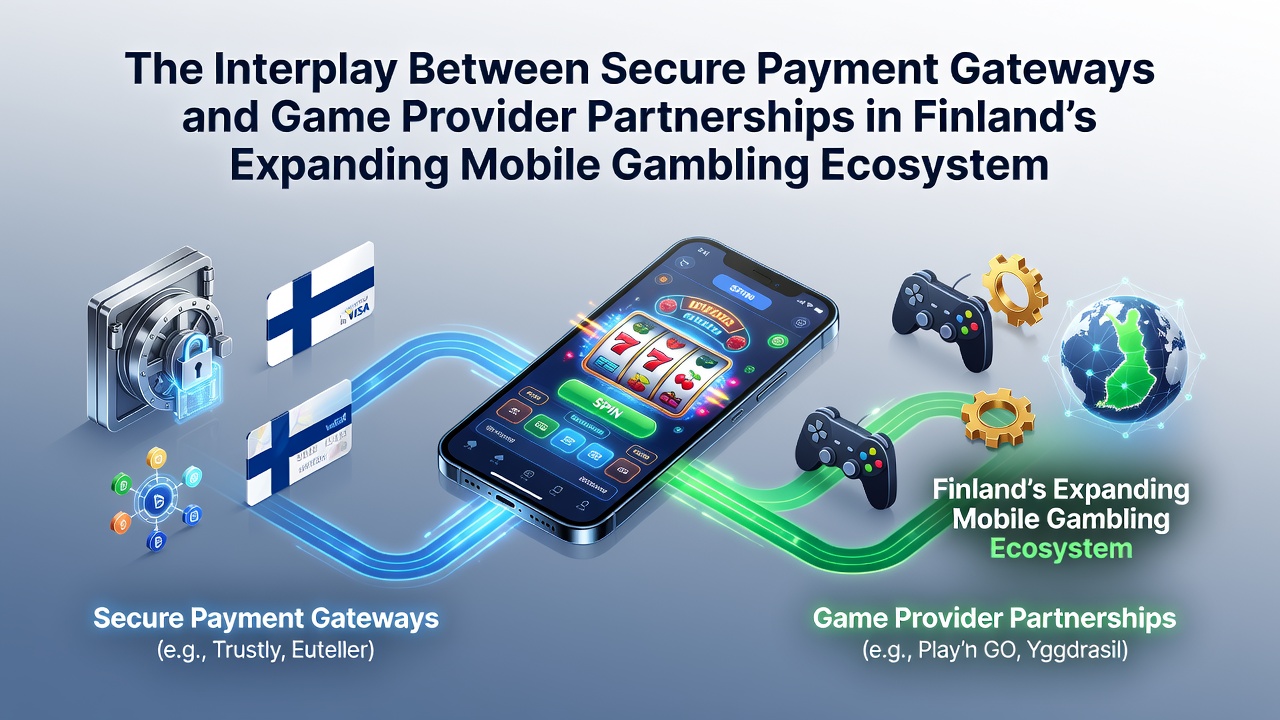
The Interplay Between Secure Payment Gateways and Game Provider Partnerships in Finland's Expanding Mobile Gambling Ecosystem
Finland's mobile gambling sector has shown steady expansion under the framework of the Lotteries Act, with Veikkaus operating as the sole licensed provider for domestic markets. Data from regulatory filings indicate that mobile transactions now account for a growing share of overall activity, driven by smartphone penetration rates exceeding 85 percent among adults. Observers note that this shift places particular emphasis on secure payment gateways, which handle authentication, encryption, and settlement processes that must align with both national banking standards and EU directives on electronic payments.
Payment Gateway Infrastructure and Security Protocols
Payment gateways in this ecosystem rely on technologies such as tokenization and end-to-end encryption to process deposits and withdrawals across mobile applications. According to figures from the European Central Bank on digital transactions, Finland maintains one of the higher adoption rates for instant bank transfers in the Nordic region, which gambling operators integrate through direct API connections rather than card-based methods alone. These gateways undergo regular audits for PCI DSS compliance, and data shows that partnerships between local banks and gateway providers have reduced processing times to under three seconds for most verified users.
Researchers at institutions studying digital finance have documented how multi-factor authentication layers, including biometric verification on mobile devices, correlate with lower incidence of unauthorized access attempts. In August 2026, updates to Finland's data protection guidelines further required gateways to implement real-time fraud detection algorithms that cross-reference transaction patterns against historical user behavior, a measure that game providers must accommodate during platform integrations.
Game Provider Partnerships and Technical Integration
Game providers supplying content to Veikkaus and related platforms establish formal agreements that specify API standards for seamless embedding within mobile interfaces. These partnerships cover slot titles, table games, and live dealer formats, with providers delivering RNG-certified software that meets testing requirements from accredited laboratories. Evidence from industry reports reveals that such collaborations often include revenue-sharing models tied to player engagement metrics collected through secure data channels.
Regulatory Alignment in Partnerships
Partnership contracts routinely incorporate clauses that mandate payment gateway compatibility, ensuring that winnings transfer without exposing sensitive financial details. Those who've examined licensing documentation note that Finnish authorities require all integrated games to route financial flows exclusively through approved domestic gateways, which limits exposure to cross-border payment risks. This setup creates a closed loop where game performance data and transaction logs remain synchronized in real time.
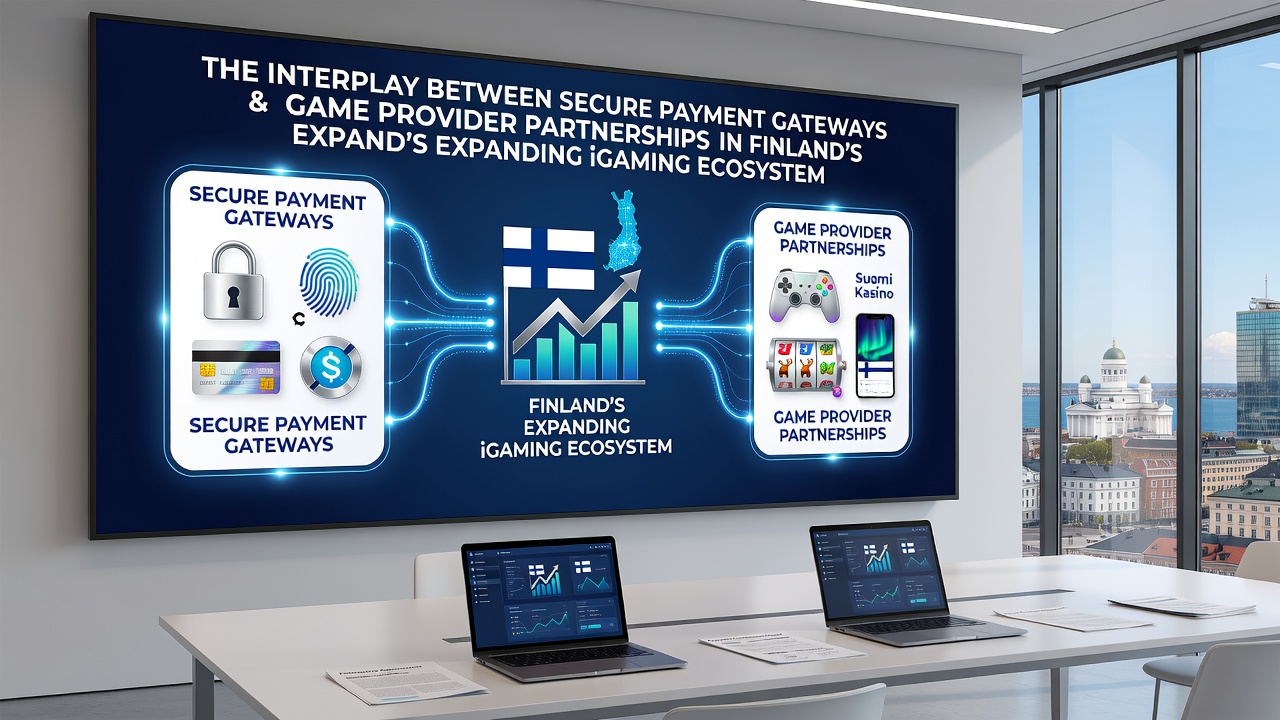
How Secure Gateways Shape Provider Collaborations
The technical demands of secure gateways directly influence which game providers secure contracts, as integration timelines depend on the provider's ability to adapt to Finland-specific encryption protocols and reporting formats. Studies from academic centers focused on digital economies indicate that providers investing early in modular payment APIs gain faster approval cycles, while those relying on legacy systems face extended review periods. What's significant is that this dynamic favors providers already experienced with Nordic banking integrations, leading to concentrated partnerships among a smaller group of established studios.
Turnout at recent industry conferences has highlighted case examples where gateway upgrades prompted providers to revise their mobile SDKs, resulting in improved session stability and reduced drop-off rates during deposit sequences. Data indicates these adjustments have supported higher retention figures in markets where users expect frictionless experiences across both iOS and Android environments.
Mobile Ecosystem Growth Metrics and External Benchmarks
Statistics compiled by Nordic research bodies show mobile gambling volumes in Finland rising in line with broader digital entertainment trends, with average session lengths extending as payment processes become more streamlined. External comparisons drawn from Canadian provincial gaming reports suggest similar patterns, where secure gateway reliability correlates with increased cross-device play. Finnish operators have adopted elements of these approaches, particularly in how they certify game libraries against updated security benchmarks.
One study from an Australian university research group on regulated gaming markets found that jurisdictions emphasizing gateway-provider coordination experienced fewer compliance incidents related to transaction disputes. Observers tracking Finland's developments point to parallel outcomes, with August 2026 marking the rollout of enhanced reporting dashboards that link game activity directly to gateway audit trails for supervisory review.
Conclusion
The connections between secure payment gateways and game provider partnerships continue to define operational standards within Finland's mobile gambling framework. Regulatory updates, technical requirements, and integration practices work together to maintain transaction integrity while supporting content expansion. Available data from government and academic sources underscore that these elements remain interdependent as the ecosystem evolves through 2026 and beyond.